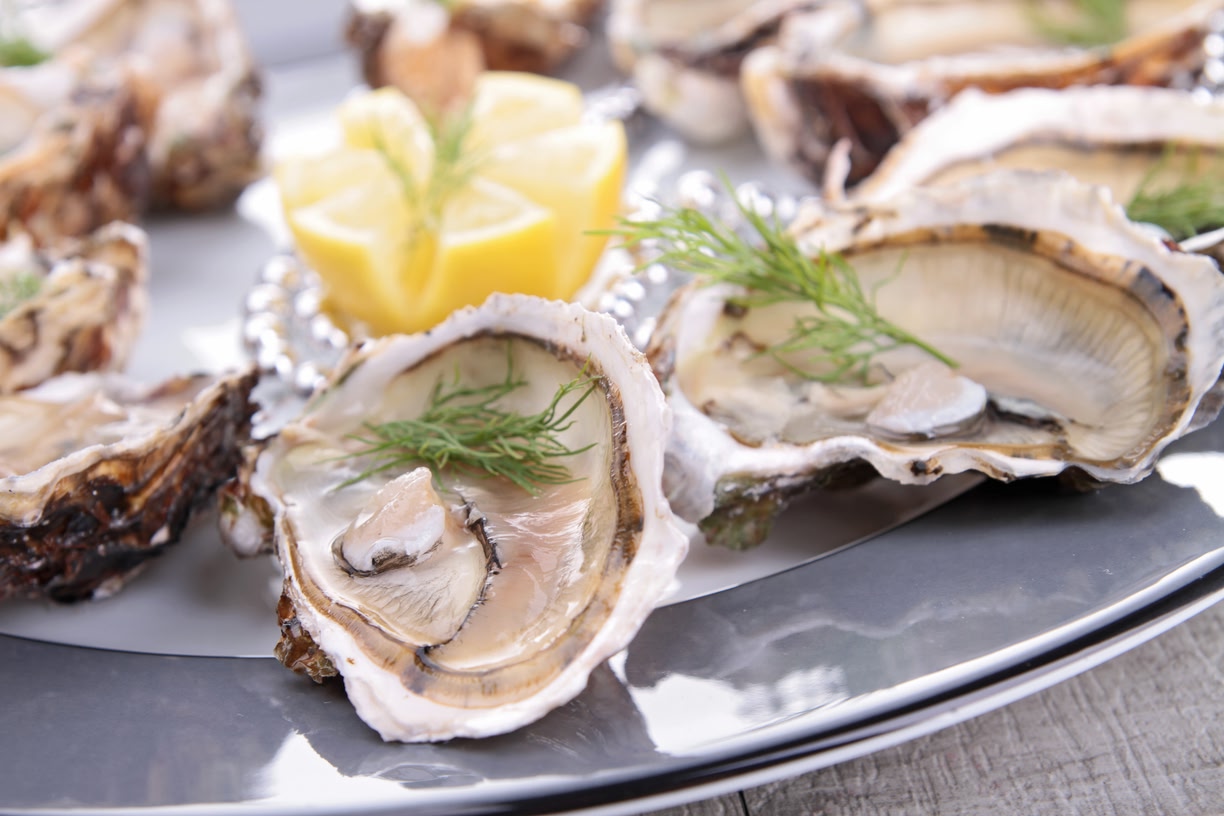
Discover the global culinary hotspots for the best seafood, from Arctic catches to coastal delicacies, while prioritizing sustainable seafood practices that protect our oceans.
If you’re the type of traveler who seeks out beach destinations more for the fresh seafood than the tanning, this one is for you. Every coast-hugging country has developed its own mouthwatering ways to cook fresh seafood, but not all of them have figured out how to do it sustainably.
Flaky grilled fish, garlicky mussels, briny oysters… no matter which wild-caught seafood you prefer, you’re bound to find new favorites on the road. High in vitamins, minerals, and protein, but low in fat and overall calories, seafood is one of the healthiest subsections of the food pyramid.
But there’s a dark side to the seafood industry:
“85% of marine fish stocks are either fully exploited or overfished.”
That’s why we prefer our seafood to be both delicious and sustainable — and we chose these five destinations for those very reasons. Great food + ethical sourcing = happy seafood-loving travelers.
5 best seafood destinations
1. Paradise Coast, Florida
Catch-and-release claw harvesting on Florida's Gulf Coast is a sustainable seafood practice, with the intent of keeping the stone crab alive. Fishermen catch the crabs, remove one of their claws, and put them back in the water where the claw regenerates.
Stone crab season on the Paradise Coast is from mid-October until May. With an average temperature in the high 70s all winter — and a restaurant scene to rival the best of the US — Naples, Florida, should be at the top of seafood lover's radar for a winter getaway.
2. Norway
On the federal level in Norway, strict sustainability laws have been in place for fishermen since the 80s. Fishermen cannot make a profit on any fish caught outside of their quotas. The laws in place are aimed to prevent food waste at large. For fishermen, that means regulations on the methods they use to catch fish. These methods spare undersized fish and minimize unnecessary by-catch.
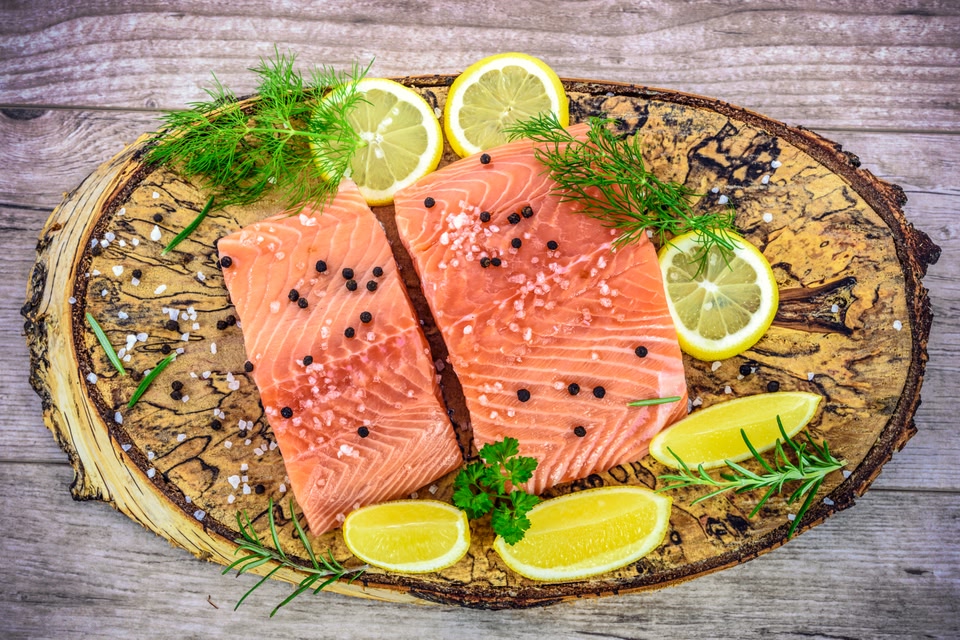
Plus, salmon in Norway is about as good as it gets thanks to the region's cold waters. Be sure to visit the Bergen fish market to really get a feel for the abundance of wild-caught seafood that can be found off the coast of this Scandinavian country.
3. Iceland
This island nation is no stranger to seafood. Icelandic fishermen have been adhering to strict regulations on the amount of fish they’re allowed to catch for decades. Iceland was at the forefront of sustainable fishing in the 90s, basing the total catch allowance off the total fish population in the waters.
While the fish on your dinner plate in Iceland most likely came from sustainable seafood fisheries, the rest of the ingredients are often locally and organically sourced as well.
A warm bowl of fish soup is practically a necessity during the Icelandic winter. Creamy langoustine soup and traditional fish stews will become your best friend on cold winter evenings in Reykjavik. Want to get really traditional with your seafood in Iceland? You can’t skip Harðfiskur, a type of dried-out fish jerky that Icelanders love to snack on.
4. New England
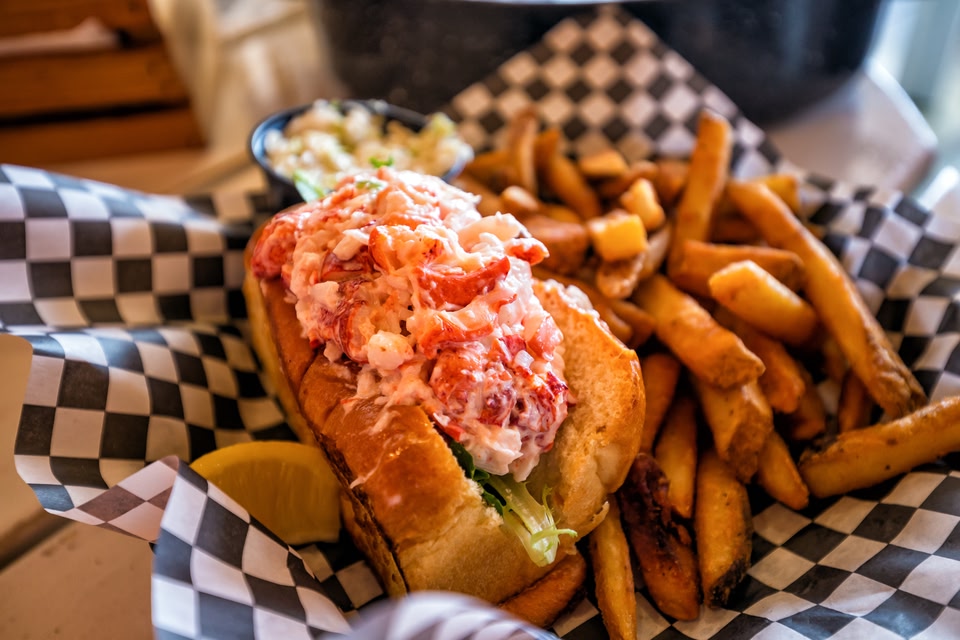
From a buttery Maine lobster roll to a bowl of clam chowder on Cape Cod, the deep flavors and variety of New England seafood dishes certainly aren’t secrets. And its reputation as the home to some of the best seafood in the world is well deserved.
Maine’s lobster industry is well-known as a model of sustainability. Sustainable lobstering laws have been around for more than a century in the state, and Maine’s lobster fishermen take the rules that regulate catch size very seriously.
Clams are always a sustainable New England seafood option, so don’t hesitate to order a bowl of clam chowder (especially if it comes in a warm bread bowl). Additionally, oysters, trout, bass, lionfish, catfish, and scallops are all safe options for sustainable seafood while you’re in the Northeast.
5. Belizean Cayes
Life is simple on the Belizean Cayes, and the Caribbean Sea plays a huge role in everyday life on these tiny islands. Seasoned fish are grilled beachside and are typically line-caught by the locals. Lionfish are an invasive species in the Caribbean, but healthy and delicious to eat (they taste similar to grouper).
Environmental protection groups are especially keen on protecting the Belizean waters, as they are home to the world’s second-largest coral reef ecosystem. Belize is making huge improvements to encourage sustainable fishing in its waters, but you can help by informing yourself about what is and is not in season during your trip.
Final thoughts: Best sustainable seafood
One of the easiest things we can all do to help encourage sustainable fishing worldwide is to simple ask about what's on offer. Ask your waiter, the manager, the fishmonger, or the chef at the restaurants and stores you visit where they buy their seafood and whether they know if those fishermen are practicing sustainable fishing. If they can't answer you, it's not a good sign. And if they are sourcing sustainable seafood, then they certainly deserve your visit!
Skyscanner can help you find the best flight, hotel, and car rental deals for your next trip.


