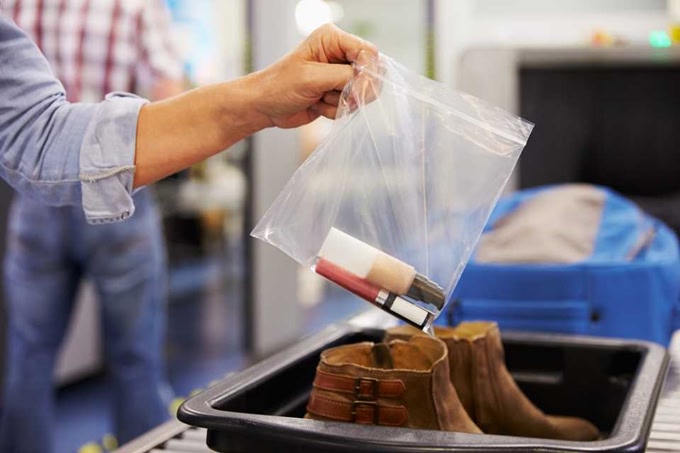
Get ready for your next flight by understanding TSA carry-on liquid rules, including size limits, the 3-1-1 guidelines, and essential packing tips.
Across the country, Transportation Security Administration (TSA) agents screen around 3.3 million carry-on bags and personal items each day. While some travelers may think that the TSA regulations for liquids are strict, these rules help airport security checkpoint agents more-efficiently inspect a high volume of bags and, of course, ensure that passengers fly safely. The better you comply with TSA liquid requirements, the less likely you'll get pulled aside for extra screening. So let's help you get through security faster with this comprehensive guide to what you can and can't bring in your carry-on bags.
Understanding the TSA 3-1-1 liquid rule
First thing's first: Anything you can pump, pour, smear, spray, or squeeze counts as a liquid. That means things like jam, juice, peanut butter, hairspray, lotion, and even a gel heating pad. Liquids aren't completely prohibited from carry-ons, but the amount you bring onboard is strictly regulated.
The easiest way to remember how much you can take in your carry-on is to remember the TSA 3-1-1 liquid rule. This indicates a size (3), bag (1), and personal limit (1). Here's what that means in practice:
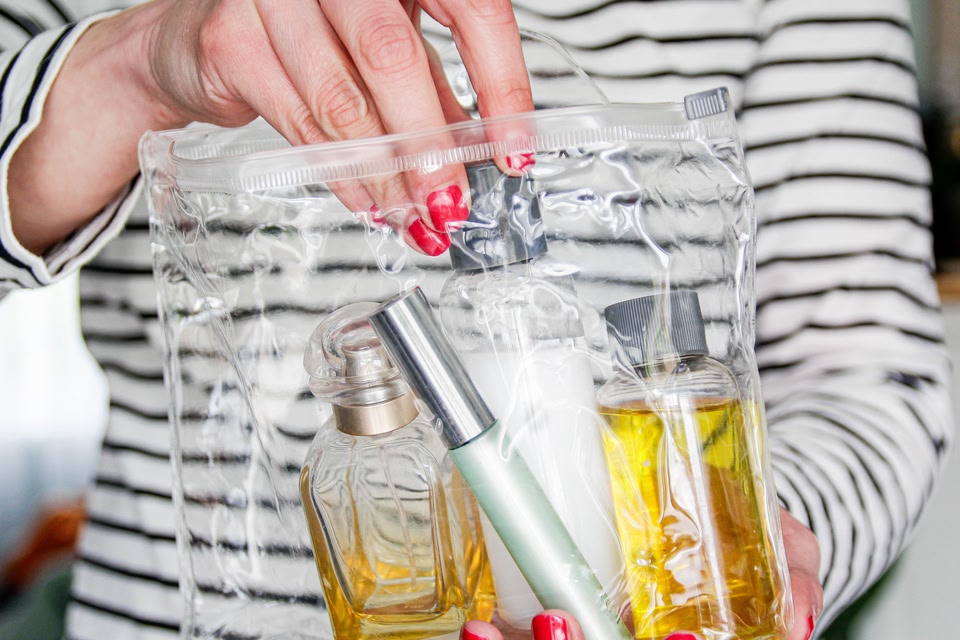
3.4 ounces (100 ml): The max size of each individual container of liquid, gel, cream, paste, and aerosol.
1 quart-sized bag: All liquids bottles must fit inside a single clear, quart-sized, zip-top plastic bag.
1 bag per passenger: Each traveler is limited to one quart-sized liquids bag.
Although powders by definition are not liquid, they may still be viewed as suspicious substances and require a secondary screening. TSA encourages passengers to put powders in checked bags if they are over 12 ounces (350 ml).
Key exceptions
Key exceptions to the TSA 3-1-1 liquid rule are medications and medically necessary liquids, which include baby formula and breast milk. That means you can travel with liquid medication, formula, breast milk, toddler drinks, and baby/toddler food (including puree pouches) in quantities above 3.4 oz (100 ml), and they don't need to fit in a quart-sized bag. Additionally, you can bring cooling accessories (such as ice packs, freezer packs, and gel packs) for these items.
Before you start the screening process, tell a TSA officer if you have any of these exempted items in amounts over 3.4 oz. They must be declared and screened separately. You can also request a private screening.
Another exception is duty free liquids that exceed 3.4 oz (100 ml). If these liquids were purchased abroad within the last 48 hours and you're traveling to the United States via a connecting flight, make sure to have the original receipt and keep the items in the transparent, secure bag that was packed by the retailer. The bag should not show signs of having been tampered with.
Liquid allowances for carry-on vs checked luggage
Here's a quick rundown of common items that people travel with and whether they can be taken inside your carry-on or must be placed inside checked luggage. Airline, FAA, and destination-country rules may also apply. The TSA officer has the final say at the checkpoint.
Item | Carry-on | Checked bag |
|---|---|---|
Toiletries | Follow the 3-1-1 rule | Any quantity |
Non-alcoholic drinks | Follow the 3-1-1 rule | Any quantity |
Powders (like makeup, spices, or baby powder) | 12 oz (350 ml) or less do not require special handling. More than that must be screened separately. | It's recommended to pack powders exceeding 12 oz (350 ml) since they are subject to a separate TSA screening. |
Hard food (like bread, candy, nuts, hard cheeses)* | Follow the 3-1-1 rule | Any quantity |
Soft food (like jellies, hummus, honey, soft cheeses)* | Follow the 3-1-1 rule | Any quantity |
Tools and sharp objects | Depends on the object. Crochet hooks and disposable razors, for example, are allowed. Pocket knives are not. Scissors must be less than 4 inches from the pivot point. | Sheath or securely wrap sharp objects in checked bags to prevent injury. Gas refills (spare cartridges) are not permitted. |
Firearms and ammunition | No | Firearms must be unloaded and packed in a locked hard-sided container, and must be declared to the airline at check-in. Some items, like gun powder, flare guns, and rocket launchers, are prohibited. |
Flammables | Cigars and cigarettes are allowed. Most other flammables are not. | Cigars, cigarettes, and disposable and Zippo lighters without fuel are allowed. Lighters with fuel are prohibited, as are most other flammables. |
E-cigarettes | Electronic smoking devices are allowed. | Prohibited. |
Batteries | Typical non-lithium dry batteries (alkaline, nickel metal hydride, nickel cadmium, etc.) are allowed in the most common sizes: AA, AAA, C, D, button cell, 9-volt, etc. | Typical non-lithium dry batteries (alkaline, nickel metal hydride, nickel cadmium, etc.) are allowed in the most common sizes: AA, AAA, C, D, button cell, 9-volt, etc. |
Please note that this is by no means a comprehensive list and is only meant to be a brief overview. For specifics and to see an exhaustive list of what you can and can't take on board, check out the official TSA What Can I Bring? tool.
*There are special instructions for alcoholic beverages and some foods, such as fresh fruits and vegetables.
Practical packing tips
Aside from random security checks, you can reduce your chances of being pulled for a secondary bag screening at the TSA security checkpoint by following a few simple packing rules:
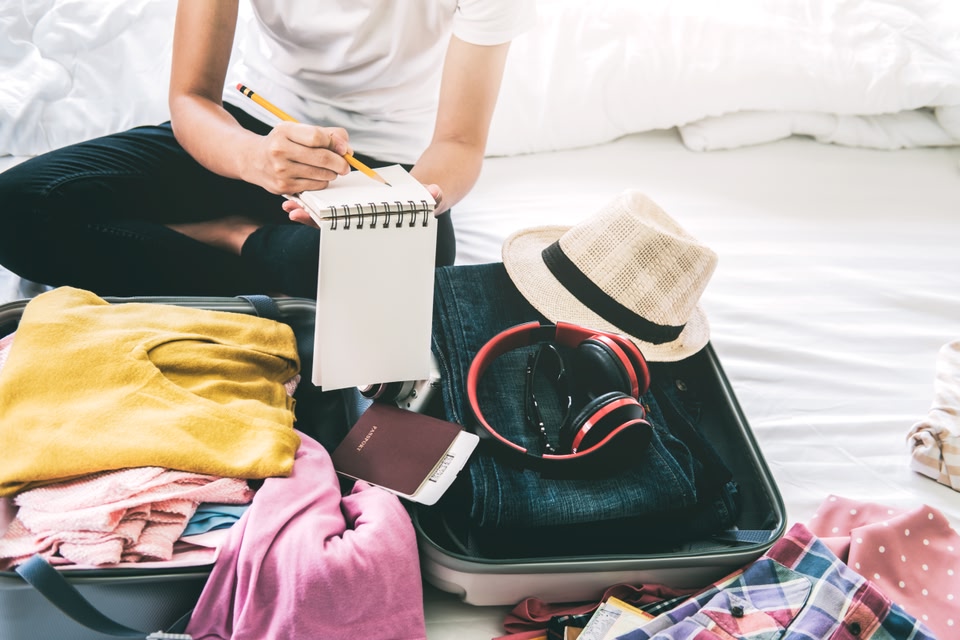
Start with an empty bag. If your carry-on and checked bags are completely empty before you pack, you're unlikely to accidentally travel with a prohibited item.
Grab a quart-sized bag and try packing all the travel-sized containers you want to bring. If any don't fit, place them in your checked bag (if you're bringing one), reduce some container sizes (like swapping a regular-sized toothpaste tube for a travel-sized one), or plan to buy some items (like common toiletries) at your destination.
If you're traveling with gifts, place them in a gift bag or unwrapped box to avoid having them unwrapped if TSA officers need to inspect them.
Unsure about whether you can bring an item in your carry-on? Start by checking TSA's list, and if you still have doubts, arrive at the airport early and talk to a TSA agent.
FAQs about TSA carry-on liquid rules
Final thoughts: TSA liquid requirements
By familiarizing yourself with TSA regulations for liquids, checking guidelines for unique items, and packing smart, you can breeze through airport security and start your trip stress-free. To plan the rest of your getaway, search flights on Skyscanner and get ready for takeoff!
Ready to book your next trip? Skyscanner can help you find the best flight, hotel, and car rental deals for your next trip.


