
From traveling with kids to requesting early check-in, get insider tips for saving money while making the most of your hotel stay.
Navigating the ins and outs of hotel policies
How many people can stay in one room? How much should you tip housekeeping? Getting the best deal and enjoying a hassle-free stay means knowing how to use hotel policies to your advantage. Check out these top tips:
Traveling with the family
Book family rooms well in advance during popular travel periods—these rooms go quickly. Use search filters to find hotels with kids-stay-free policies, no rollaway charges, free breakfast, kitchenettes and shuttles to the airport or attractions. If you have a car, consider staying just outside the city to pay a cheaper rate. Take advantage of loyalty programs to upgrade to larger rooms for free.
Finding the best hotel breakfast
Looking to save money and time on hotel breakfast? Check the wording: “Breakfast included” is not the same as “free breakfast.” “Breakfast included” means it’s bundled with your room rate. For a truly free breakfast, Hilton, Marriott and IHG hotels are a good place to start.
Checking in and out
Call ahead to request early check-in or late check-out. Depending on the hotel, occupancy and your loyalty program status, they might grant you either for free. If not, consider asking them to store your luggage instead. Download the hotel app in advance for streamlined digital check-in and check-out.
Housekeeping etiquette
For many hotels, housekeeping does not come by every day unless you request it. Leave a note and tip $2–$5, depending on the number of guests, room size and usage. Tip daily so that day’s attendant actually gets it. Some hotels also offer digital tipping via QR codes.
More guides to the best hotel stays
Explore these in-depth guides to having a great hotel experience.

How to book a hotel room for a family with kids
Take some of the stress and expense out of family vacations. This guide to family room hotels compares the different hotel room types that can sleep four to seven people. Learn about suites, adjoining rooms, occupancy limits and tips for finding deals.
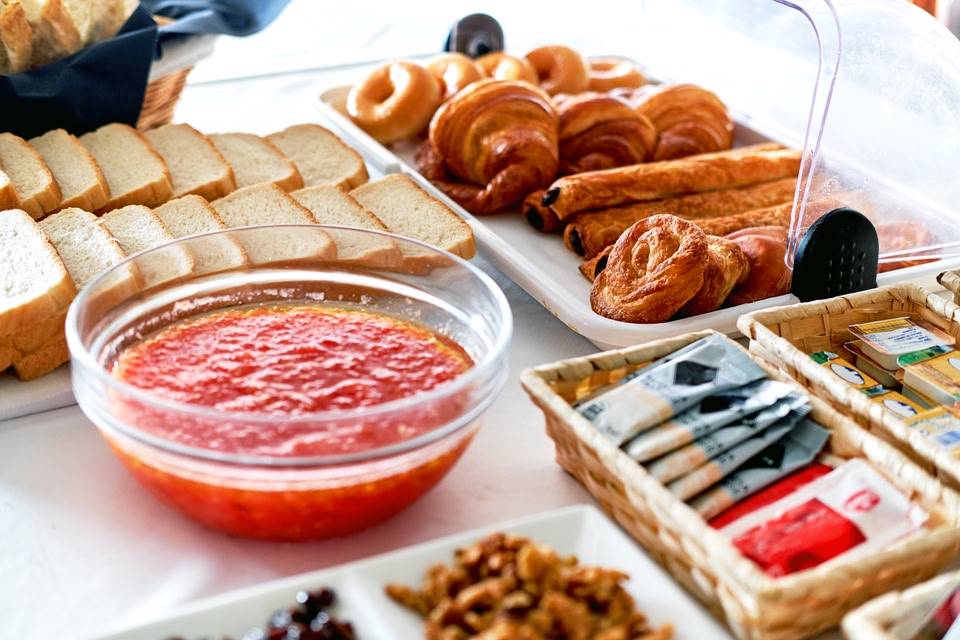
A quick guide to hotel breakfasts
Hotel breakfasts can save you a lot of money when you’re traveling, but not all breakfasts are created equal. We help you find the best hotel breakfast for your needs, including which chains offer continental, hot buffets, and set menu breakfasts.

Hotel check-in and check-out: What travelers need to know
How early can you check in? Do you have to check out with a digital key? We tell you everything you need to know about the hotel check-in and check-out process. From late check-out to loyalty program perks, our tips help you enjoy a smooth stay.

Hotel Housekeeping and Tipping Etiquette
How much should you tip hotel staff? Tipping etiquette can be fuzzy at times, but our hotel tipping guide explains how, when and why you should leave a gratuity. Learn about cashless tips, typical ranges and changing housekeeping procedures.


