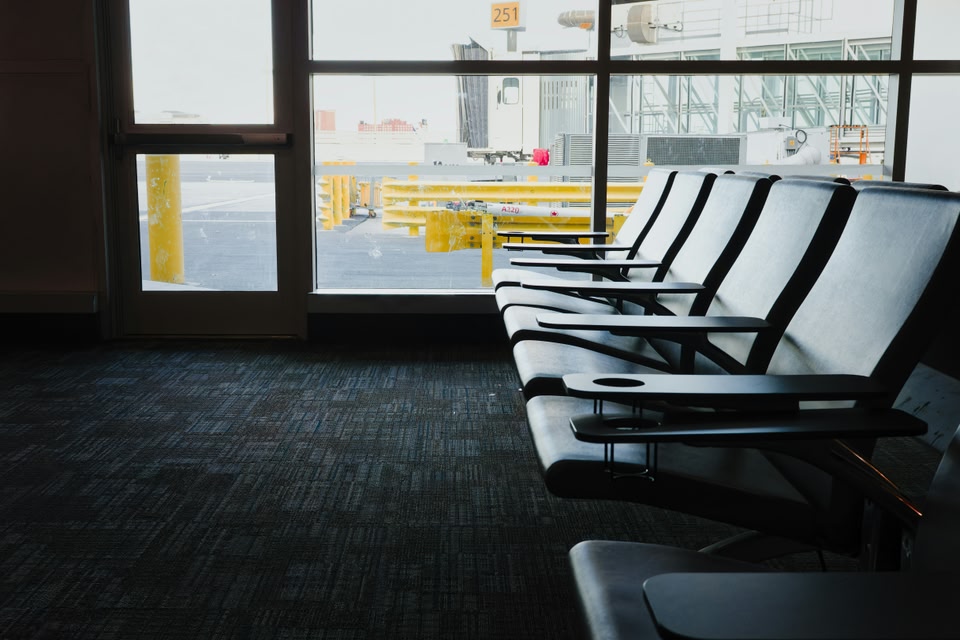
What happens to our bodies on a long-haul flight? Besides feeling cramped and uncomfortable, long-haul flights take a serious toll on the body. We identify some of the most unpleasant side effects and offer long-haul flight tips that will make your trip a breeze!
Secret #1: Spread Out

Problem: Cramped Style
Sitting for extended periods can lead to poor circulation and swollen feet. In worst-case scenarios, it can lead to the formation of blood clots.
Most people’s instinct is to buckle down and watch movies, hoping those long hours will fly by, so to speak. Or, if you are one of the lucky travelers that manage to sleep on a plane, you might try to cop some z’s. Beware, however: sitting for too long in cramped quarters will leave you sore, feeling heavy, and tired.
Solution: If you are going to binge-watch, opt for a series; that way, you can take a walk after each episode. In case you can manage in either aided or unaided sleep, invest in a quality travel pillow, earplugs, sleep mask, and cozy socks.
Similarly, book your flights with care, checking airlines’ legroom and seating charts. SeatGuru is an excellent source that lets scout out the best seating options in your price range for your needs.
In some cases, a relatively small fee or frequent flyer points will allow you to upgrade to roomier seats.
Flights with connections tend to get a bad rap but for some, they might be the perfect solution that allows them to move around during layovers and break up travel time. And, connecting flights tend to be cheaper.
Secret #2: Increase the Flow of Oxygen
Problem: Brain Drain
Lower oxygen levels in the plane’s pressurized air can lead to minor oxygen deprivation, making you sleepy and loopy.
Most travelers feel “out of it” after even a short flight, so no surprise that spacey feeling is augmented on long-haul flights.
Solution: Nothing gets the blood flowing like movement, so get out of your seat and walk around. Moving around improves circulation and, thus, the flow of oxygen throughout the body.
Secret #3: Bring a Nasal Hydration Spray
Problem: Dry Nose
Super dry, recycled air can lead to swollen sinus membranes that for some turn into nasty sinus infections. You don’t need us to tell you that blocked sinus cavities, a runny nose, ear pressure, and headaches can put a damper on your trip, no matter how beautiful your destination.
Solution: Drink lots of water, and bring along a nasal hydration spray. This long haul flight tip will help prevent a dry nose. The spray will moisturize and clear the sinuses during long air flights. What’s more, it protects against germs while breathing recycled airplane air.
When you reach your destination, run a hot shower, spending a little extra time in the steamy room.
Secret #4: Hydrate Inside and Out

Problem: Thirsty Skin
Bone-dry air also leads to parched, dull-looking skin. And, if you are one of those fliers that guzzle soft drinks or alcohol on your flight, you are doing double damage. Add salted nuts and/or pretzels to the mix, and your final destination might as well be the Sahara desert.
Solution: First step, avoid sugars and salts. Next, hydrate inside and out! Drink lots of water and reach for moisturizers with ingredients that help attract moisture (ceramides, glycerin, and hyaluronic acid) and, most importantly, create a barrier that seals it in (silicone, lanolin, and mineral oil).
Likewise, grab a travel-sized facial mist to give your face and hair that extra drink of water before you hit the tarmac.
Secret #5: Be Conscious of Your Diet Before the Flight
Problem: Gas for Days
Have you noticed that your stomach is off during and after travel? Have you ever heard of HAFE? It stands for High Altitude Flatus Expulsion. In other words, high altitude and the forces of pressurized cabin air can cause the gases in your stomach to expand, leaving you bloated and gassy.
Solution: Fart! Yes, that’s right, don’t hold it in. Get up, get moving, and release those built-up gases, preferably in the bathroom and not on your fellow travelers. Make sure to get yourself an aisle seat to have easy bathroom access.
Also, avoid carbonated drinks before and during your flight. Skip the chewing gum, too–you’re basically swallowing air, adding fuel to an already explosive situation.
For extra caution, avoid gas-causing foods a few days before your flight. So, that means beans, cruciferous vegetables such as broccoli and cabbage, excessive dairy, and heavy, fatty foods are a big no-no. In addition, include probiotics in your diet to keep your gut healthy before, during, and after travel.
Secret #6: Forgo Plane Meals

Problem: Bored and Bloated
We get it, when you are sitting around for extended hours, what else is there to do but eat? But chew on this, according to DietsDetective‘s 2019-20 Airline Food Study, a typical airline meal contains more than 800mg of sodium. That’s more than 40 percent of the daily limit set by the World Health Organization! Too much sodium leads to water retention, which leads to bloating, headaches, puffiness, and even increased blood pressure.
Solution: Bring your own snacks; however, inspect the label for sodium content.
You may want to check your airlines’ meal options; some airlines offer special and/or dietary meals. The added bonus here is that special order meals are often served first.
Also, the rise of low-cost international flights means that many cheap flights don’t include meals. There is a real argument to be made for skipping eating on a plane altogether.
Additionally, you will want to avoid wearing tight-fitting clothing which can interfere with blood, oxygen, and gas flow. Besides, you want to be comfortable as you spend the better part of the day or night on a plane.
Yes, air travel certainly comes with its complications, but don’t let those steal days away from your precious vacation time. Follow these simple long-haul flight tips to ensure you feel and look your best, always.
Ready to book your next stress-free trip? Start your flight search below! 👇