Saudi Arabia trips and vacations
The Middle East’s most mysterious kingdom is one of the world’s final frontiers for travelers. With rust-red desert, vast craters and sky-scraping cliffs, the landscapes alone are enough to draw you in. But trips to Saudi Arabia also scratch your urban itch. Ancient cities and maze-like markets give way to stylish contemporary art festivals, making this a vacation destination like no other.
Top destinations in Saudi Arabia
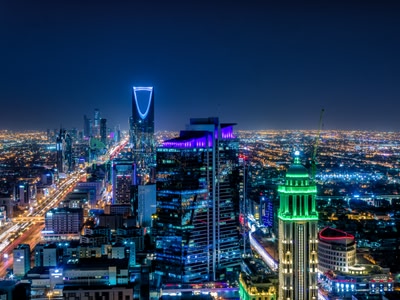
Riyadh
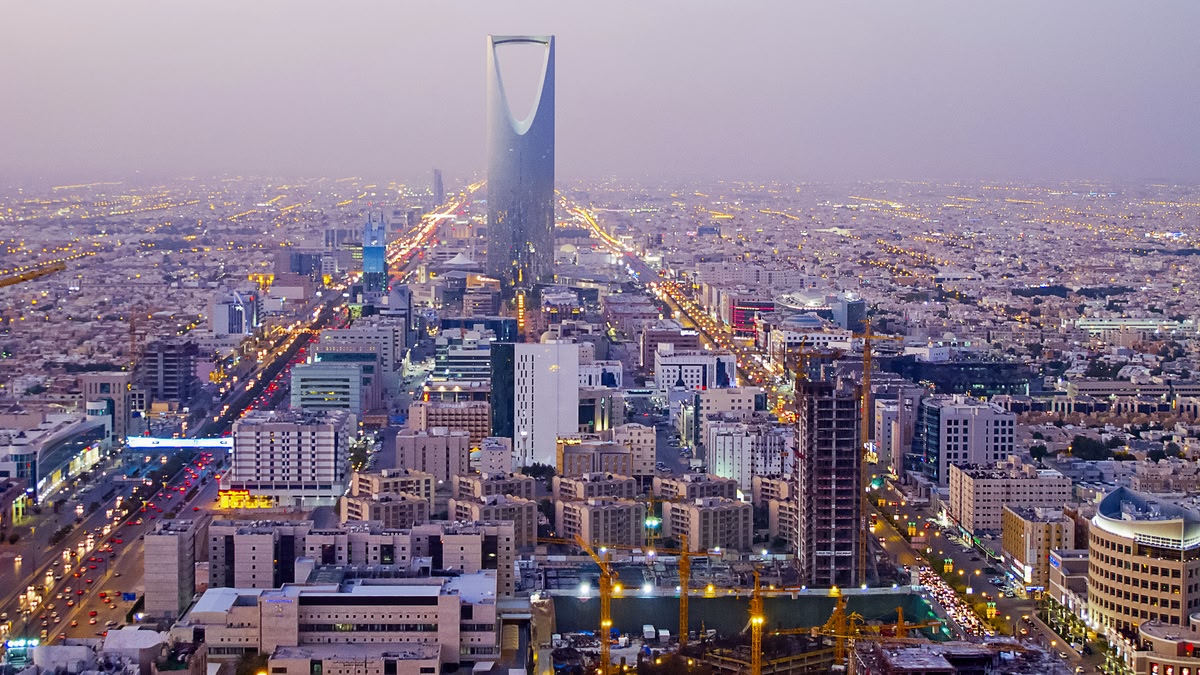
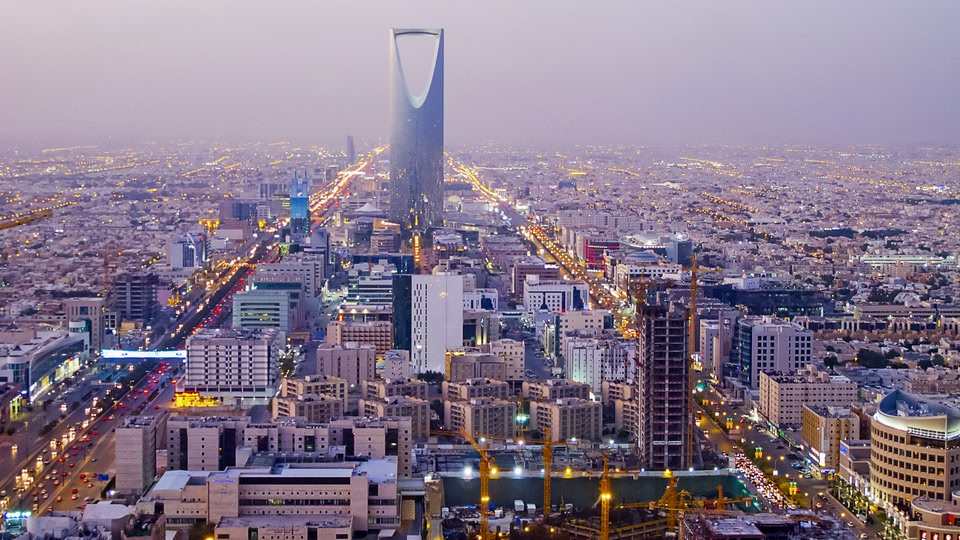
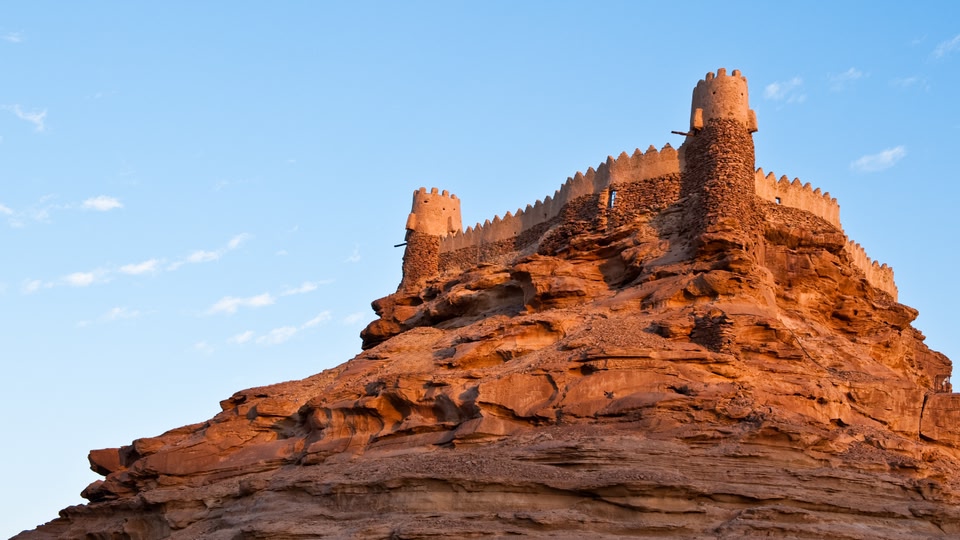
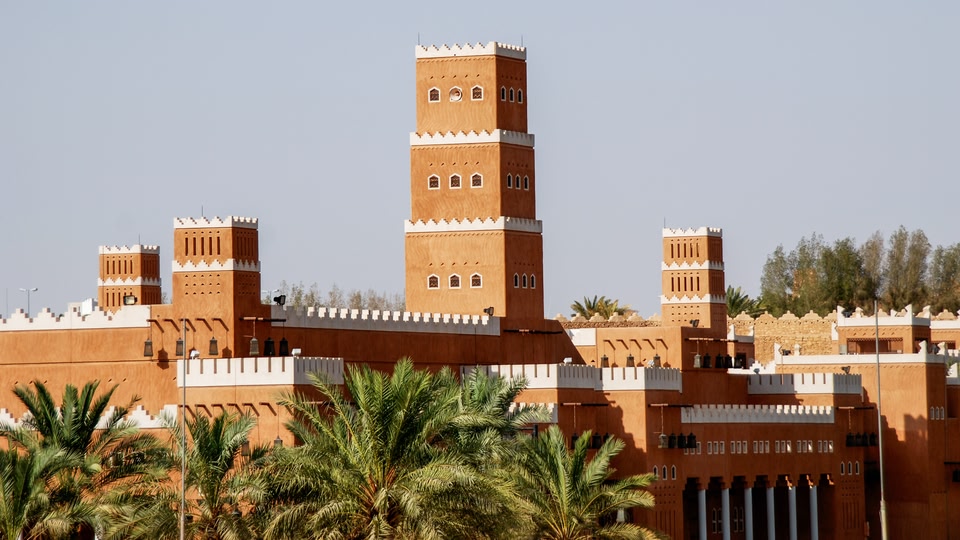
Saudi Arabia’s capital boasts an explosion of exciting restaurants and luxury hotels. Beyond the modern glitz, don’t miss its historic fortresses and dreamy desert landscapes.
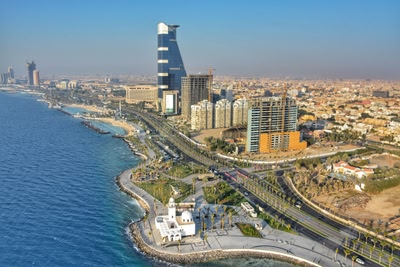
Jeddah
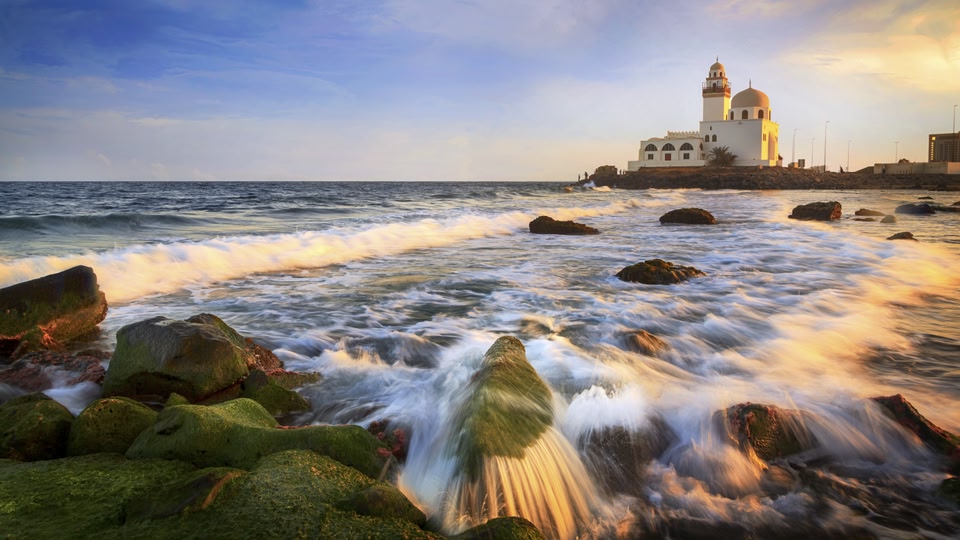
Like a glimmering jewel in the Red Sea, Jeddah is a city where ancient history mingles with ultra-modern skyscrapers. Come hungry because you’ll find Arabian feasts on every corner.
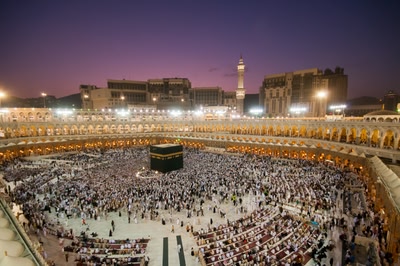
Mecca
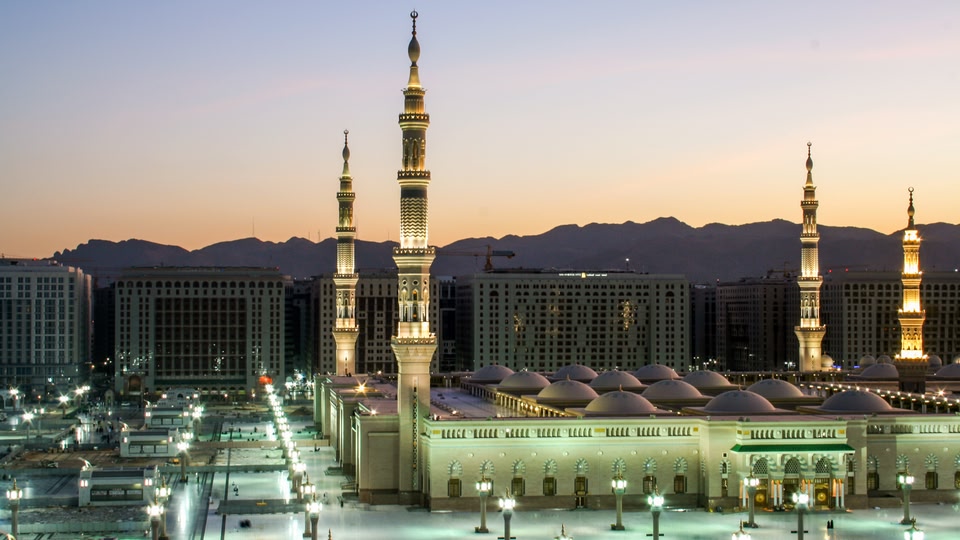
Saudi Arabia’s sacred city gives you a fascinating glimpse into Islamic history, from its ornate mosques to its intriguing museums. Make your own pilgrimage to Mecca.
Saudi Arabia: fast facts
Language
Arabic
Currency
Saudi riyal (SR)
Time zone
UTC+3 (AST)
Saudi Arabia vacation highlights
Sprawling markets
From leather to rugs, scouring the ‘souks’ (markets) is a favorite thing to do in Saudi Arabia. Be on the lookout for some of the country’s most coveted goods, like nutrient-packed dates (a local specialty) at Souq Al Tumor in Medina. Saudi’s ancient incense route is one of the oldest on earth — stock up on bakhoor and welcome guests into your home the Saudi way.
Ancient wonders
Archeologists are flocking to uncover the secrets of this previously closed-off kingdom. The desert city of Madain Saleh was an essential stop along the incense route between South Asia and the Mediterranean. Today, its remains include the elaborate tombs that housed society’s elite. Don’t miss writings carved into the foothills of nearby Jabal Ikmah, dubbed the ‘open library.’
Cultural traditions
In the mountainous Asir region, the ‘Flower Men’ of the Qahtan tribe don crowns made of flowers and herbs. Pick up yours from the Malhalah Market. In the city of Buraydah, visit the world’s largest camel market, where races help determine the most eligible camels for purchase. The sword dance was originally performed by Bedouins preparing for battle — catch it today at festivals and weddings.
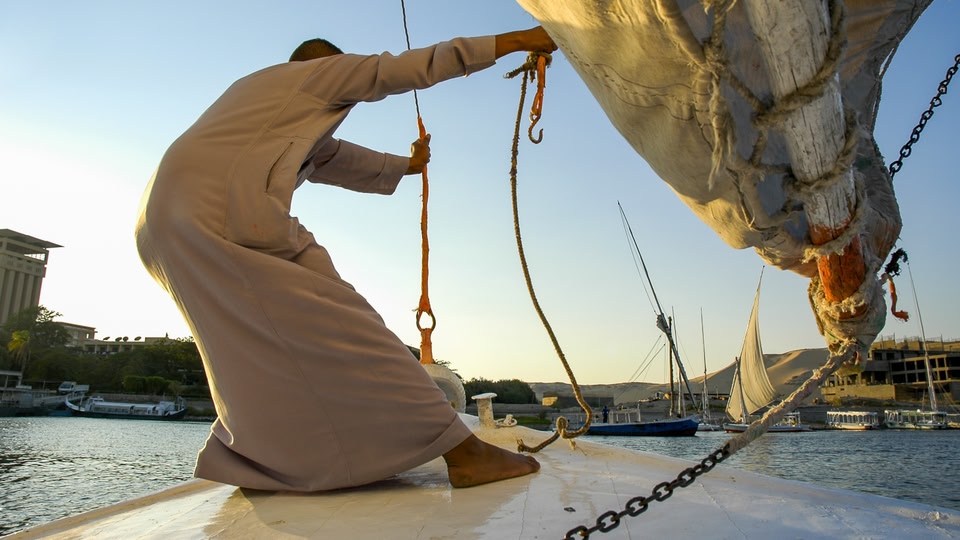
Things to do in Saudi Arabia
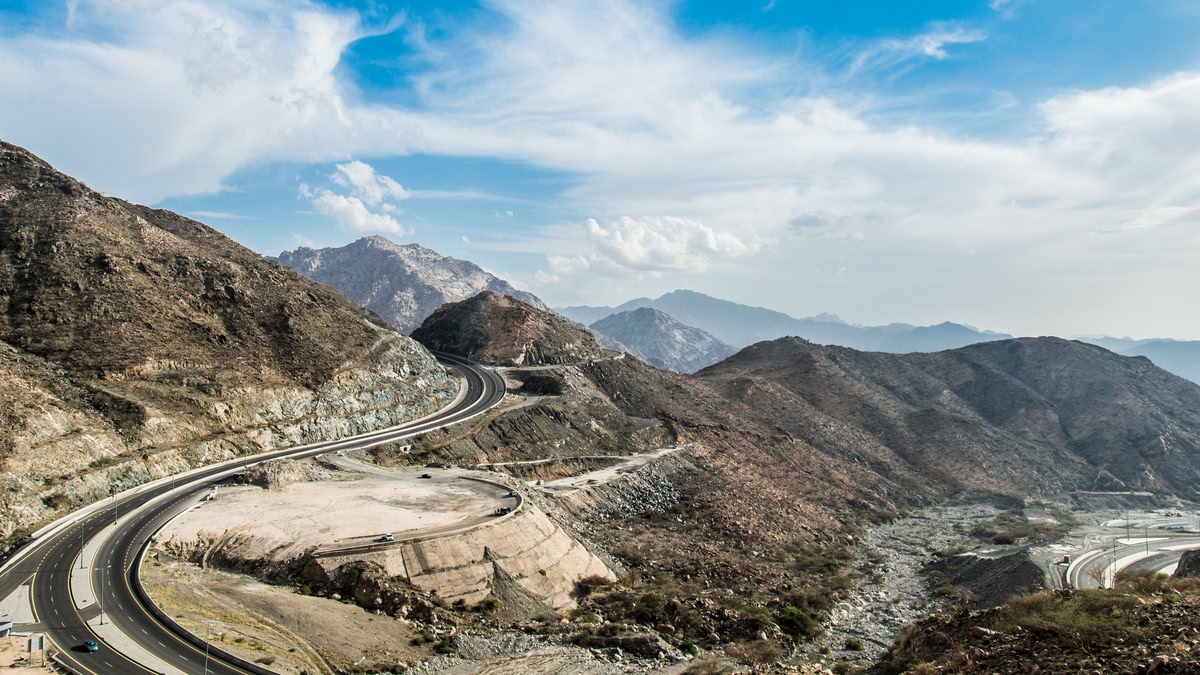
Top attractions
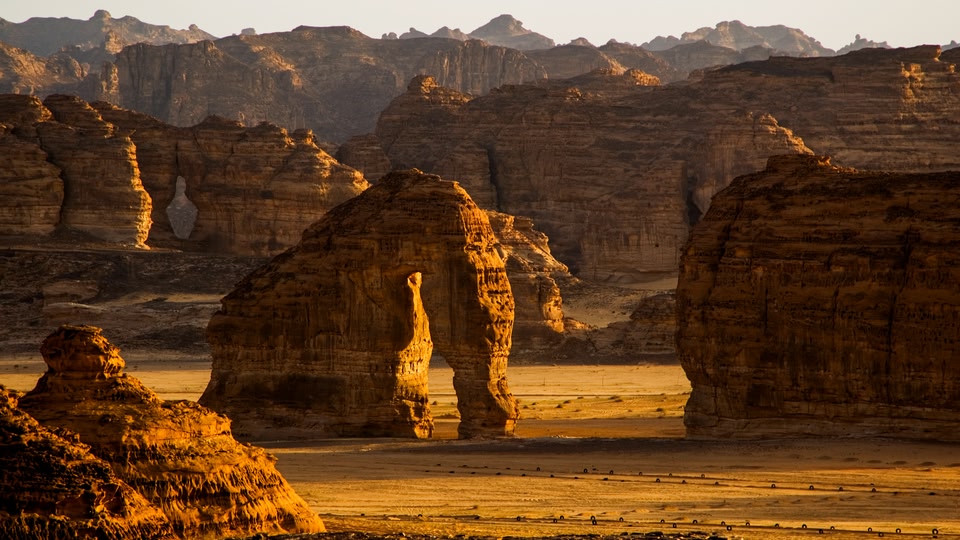
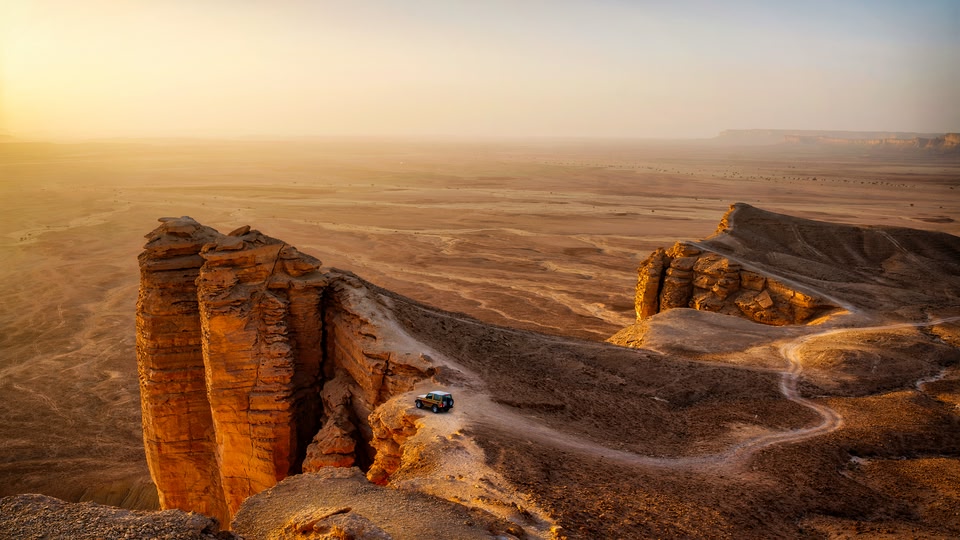
Don’t miss the Edge of the World cliffs, where you can spot coral and sea snail fossils from a long-vanished sea. Visit AlUla’s lush oasis, home to millions of date palms, then explore Hegra, Saudi Arabia’s answer to Petra. After dark, candlelight and storytellers bring its lost civilization to life.
Beaches
The Red Sea is home to one of the world’s largest barrier reefs. You’ll find plenty of dive operators in the coastal city of Jeddah. Set off in search of shipwrecks while keeping your eyes peeled for turtles, hammerheads and colorful clownfish. Be sure to dress conservatively on public beaches in Saudi Arabia. Some offer female-only shores, though private resorts often relax the rules.
Nature
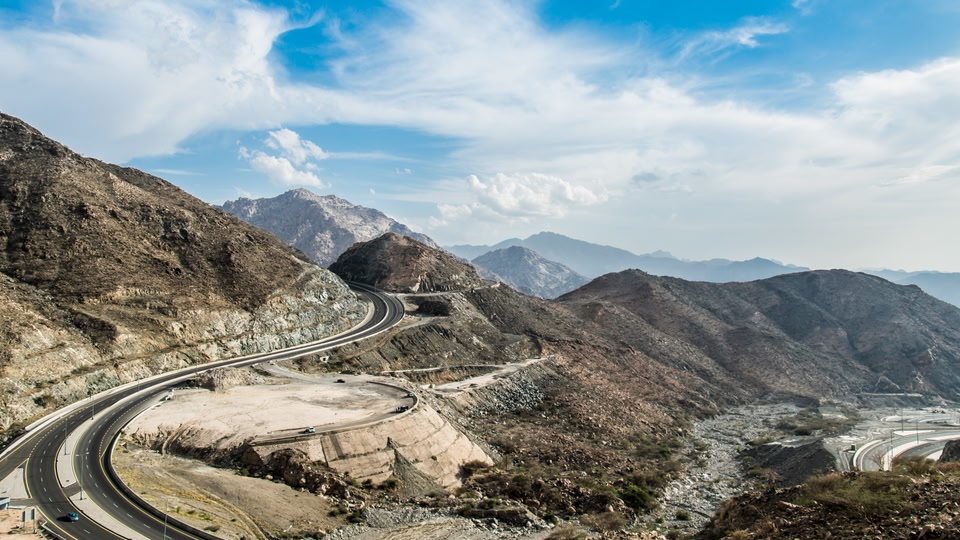
Walk around the rim of the Al Wahbah volcanic crater or hike the dizzying cliffs at the Edge of the World, where panoramas see desert plains disappear into the horizon. The AlUla Oasis is the largest on earth — picnic beneath the palms by day and stargaze among rock formations by night. Drift across the Arabian Desert by balloon at the AlUla Skies Festival.
Culture and museums
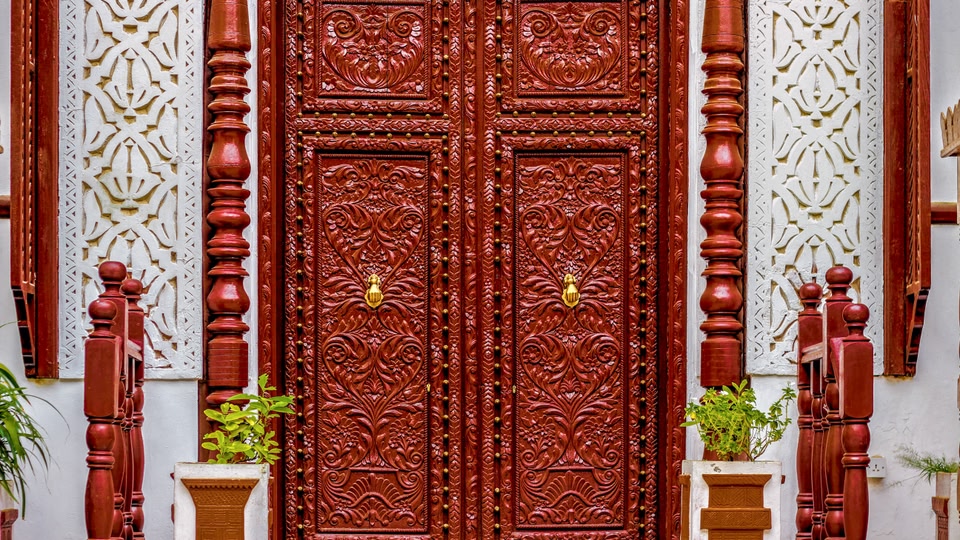
The desert of the Arabian Peninsula is teeming with petroglyphs portraying ancient civilizations, animals and hunting scenes. One of the best museums in Saudi Arabia, the Fatima Museum celebrates the geometric folk art that has adorned Asiri homes for centuries. In September, the AlUla Oasis plays host to the Azimuth festival, which sees extraordinary art installations backdropped by otherworldly landscapes.
Cuisine
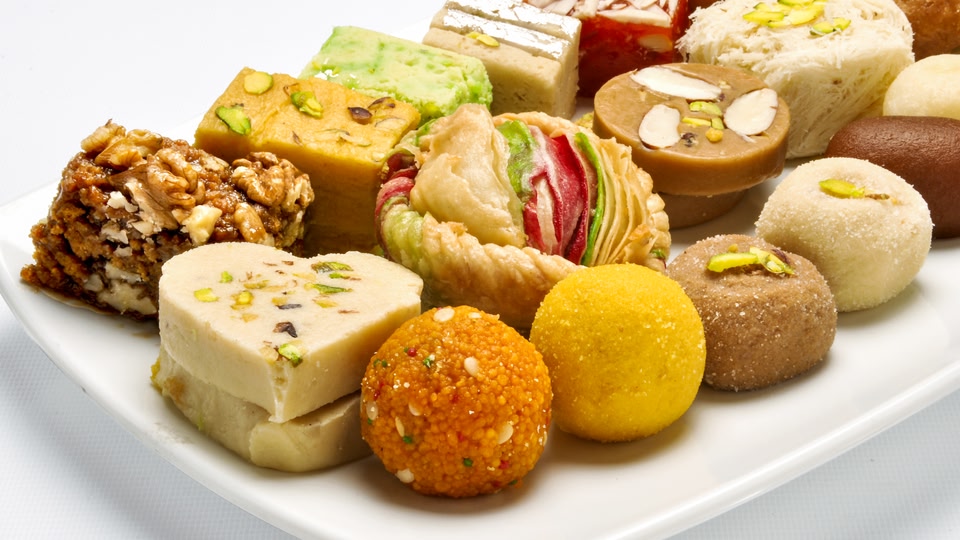
If you’re lucky enough to be invited into a Saudi household for a snack, you’ll be plied with bitter coffee and chewy dates. Order the national dish, ‘kabsa,’ in Saudi Arabian restaurants, a one-pot wonder of spiced chicken and rice that’s eaten from a communal platter. Etiquette dictates eating only with your right hand here.
Family friendly
Family is at the heart of Saudi society, and it’s common to see kids out late enjoying the night. In Jeddah, families can ride roller coasters at Al Shallal Theme Park, watch the world’s tallest fountain and snorkel in the Red Sea. Or head to the desert, where kids of all ages enjoy sandboarding down the dunes.
Find the best time to visit Saudi Arabia
Weather in Saudi Arabia
March – May: Temperatures creep up in early spring, one of the best times to visit Saudi Arabia. Be aware of occasional sandstorms, particularly in the interior of the country.
June – August: Summers are very hot in Saudi Arabia — it’s not unusual for inland temperatures to jump above 113°F. Jeddah and other coastal cities remain humid. Cool down in the highlands of Abha and Taif, where rain showers provide relief.
September – November: Weather cools as fall progresses, a good time for outdoor festivals and desert excursions.
December – February: Winters in Saudi Arabia are mild, with chilly nights in the desert and mountains. The interior hovers around 50°F, but the coast stays warm.
Events in Saudi Arabia
Taif Rose Festival (April or May): Millions of pink flowers bloom in Taif, earning it the nickname ‘City of Roses.’ Grab a front-row seat to the popular rose parade, or make rose perfume in a workshop.
Saudi National Day (September): Jeddah is one of the top spots to celebrate the Kingdom’s unification. Feast at street food stalls along the Corniche, and watch fireworks over the Red Sea. Don’t forget to wear green and white.
Soundstorm (December): Riyadh’s three-day, multistage music festival is the biggest in the Middle East. Past lineups have included David Guetta, Bruno Mars and Eminem. And don’t miss top emerging talent from Saudi Arabia.
Know before you go
Getting around Saudi Arabia
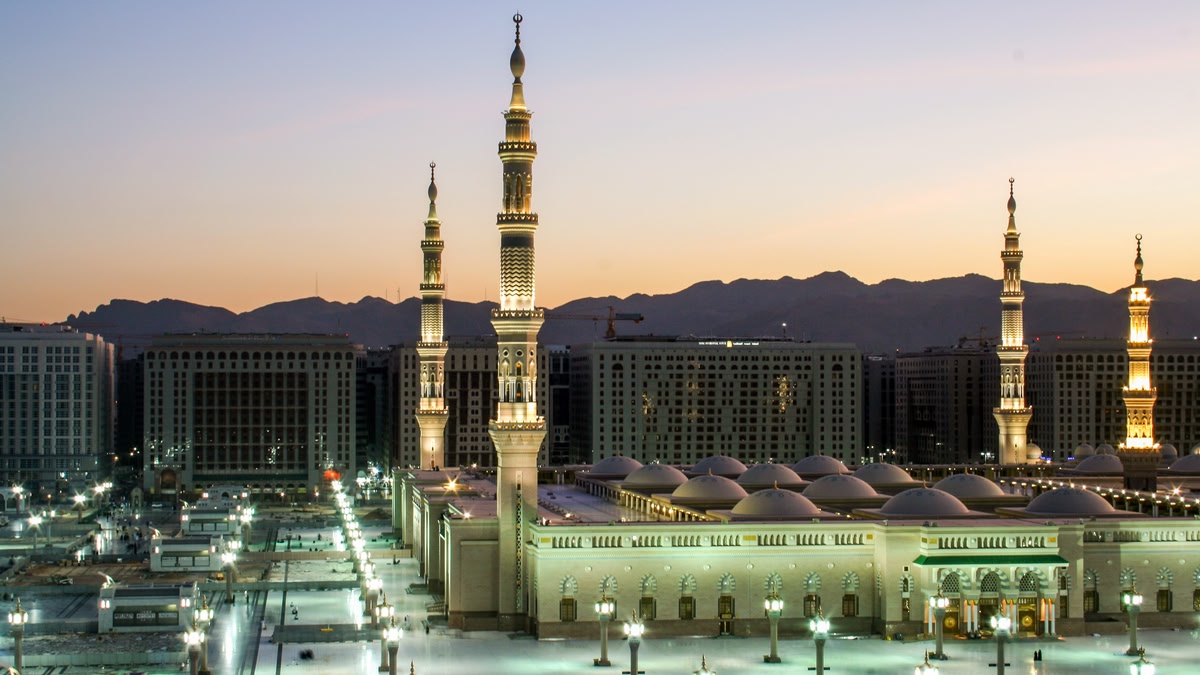
Public transportation
Buses: Northwest BUS, a long-distance coach company, offers modern and affordable connections between major cities. While Saudi Arabia is very much a car country, a growing network of regional services links smaller towns and rural areas.
Trains: Saudi Arabia’s rail network is rapidly improving. Modern, high-speed trains connect cities like Riyadh and Qassim, as well as Mecca, Jeddah and Medina.
Boats: Services along the Red Sea link Saudi Arabia with Egypt, Jordan and Sudan. A free service by the Saudi Ports Authority connects Jazan to the Farasan Islands. From there, you’ll need private transportation to explore the archipelago.
Domestic flights
Vast distances often make flying the best way to get around Saudi Arabia. You’ll find major hubs in Riyadh, Jeddah and Dammam, with regional carriers linking hotspots like AlUla. Avoid flying around the Hajj pilgrimage (dates vary), as prices soar.
Driving
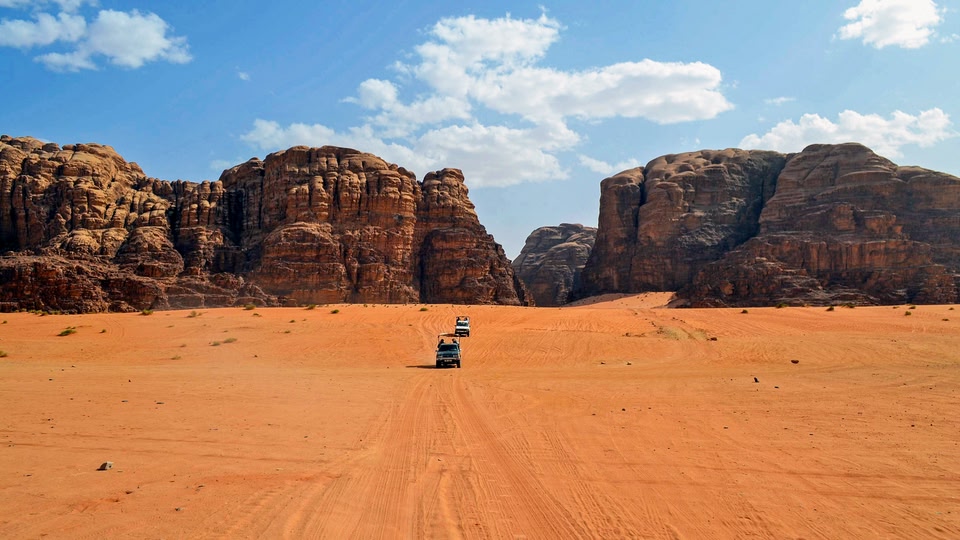
Driving is one of the most convenient ways to explore Saudi Arabia. Highways are relatively well maintained, with signs often appearing in both Arabic and English, though be aware that the driving culture here tends to be direct and fast-moving. Rent a 4x4 if you’re heading into the desert, where dunes spill onto the road and gravel tracks are a possibility. Always watch out for camels.
FAQs about Saudi Arabia vacations
More vacation inspiration

How to use Skyscanner Price Alerts
When are flights cheapest and why?