There are plenty of amazing places to see in the world. For many travelers, it’s the historical sites that hold the most intrigue. If you’re interested in seeing some of the world’s oldest cities—both living and in ruins—we’ve got you covered when it comes to inspiration.
We understand that the world of travel has changed drastically over the past year. Though it might not be time to visit these ancient cities right now, they’ve stood the test of time and will be waiting for you once it’s time to travel safely again.
Angkor Wat, Cambodia
Southeast Asia is a haven for some of the world’s oldest cities and temples. Top choices include Sukhothai in Thailand, Yogyakarta in Indonesia, and Bagan in Myanmar—but few rivals the magnificence of Cambodia’s Angkor Wat complex. While Cambodian borders aren’t open right now for Americans, it’s never too early to start planning travel.
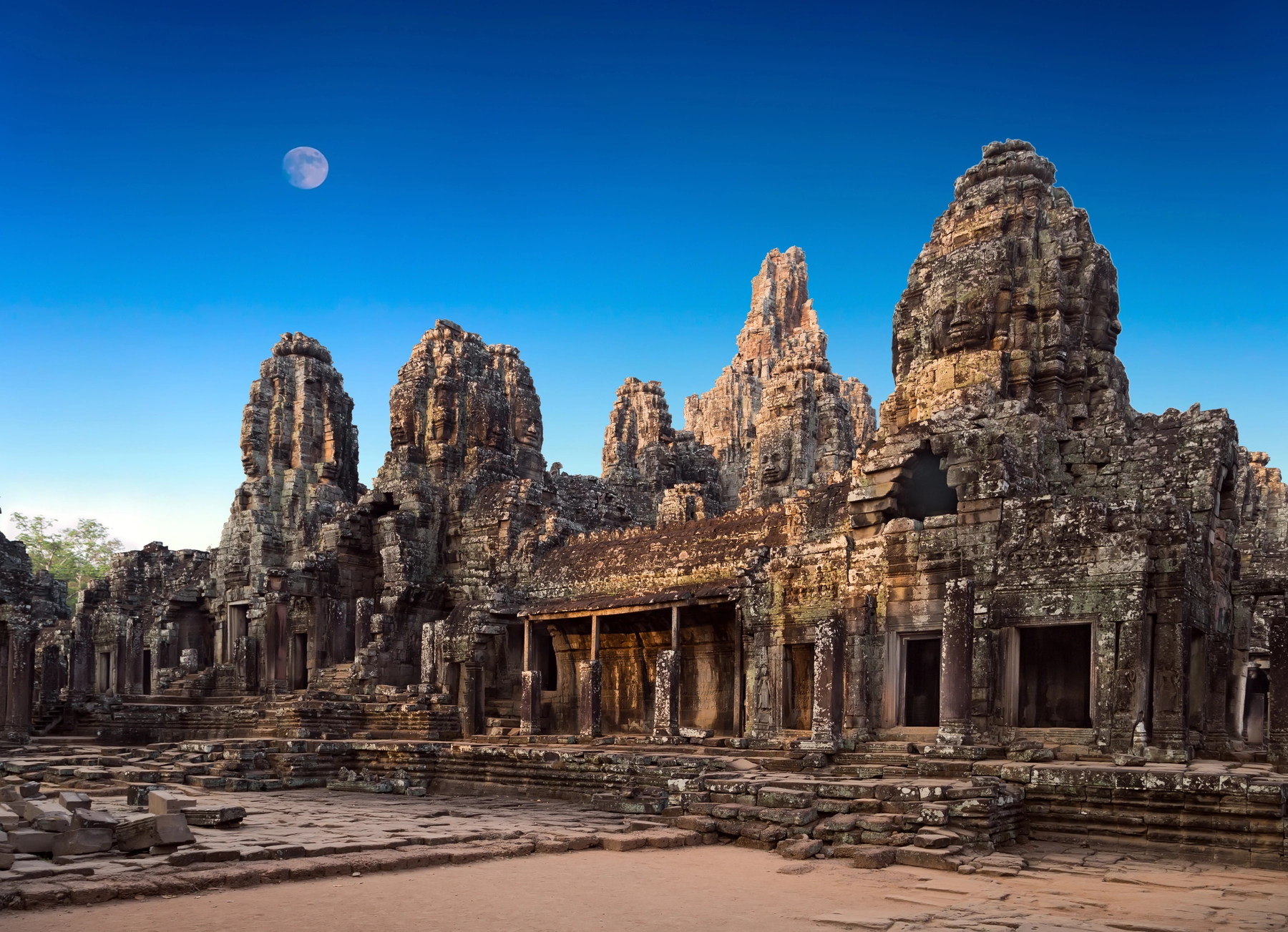
The history of Angkor Wat
Found just outside Siem Reap, Angkor Wat is just one of 72 temples in the complex. Most tours start at the eponymous building—so iconic it remains on the Cambodian flag to this day. You then have three main choices: to go on either the small circuit, the grand circuit, or to the remote historic sites.
Work began on the complex in the early 12th century with a Hindu temple, but by the end of the century, the country and the temples transitioned to Buddhist practices and beliefs.
Today, the Angkor Wat complex is the largest religious monument in the world. While some travelers feel ‘templed out’ after a day, many opt for multi-day tours of the complex to soak in as much of the architecture and culture as possible.
Parts of the ancient city you won’t want to miss
While most tours incorporate Angkor Wat temple by default, with good reason, there are plenty of other unique temples you won’t want to miss.
Top among many lists is Ta Prohm, a late 12th-century building that has succumbed to nature. Much of the temple is in good order, except trees have taken root and in many parts have taken over. It’s a mesmerising mix of nature and human endeavour, which is also present at the smaller Ta Som temple.
Other worthy stops include the intricately carved Banteay Srei, the huge faces of Bayon and the stone lions of Pre Rup. If you want to see some of the region’s more offbeat temples, hire a local driver and ask them to take you to their hidden favourites.
Palenque, Mexico
As well as the likes of Teotihuacan and Chichen Itza, Mexico is home to the Palenque architectural zone. Half temple, half jungle, Palenque is a sight to behold.
While the US-Mexico border is open, some attractions are temporarily closed. It’s important to check local guidelines and government advice before booking travel!
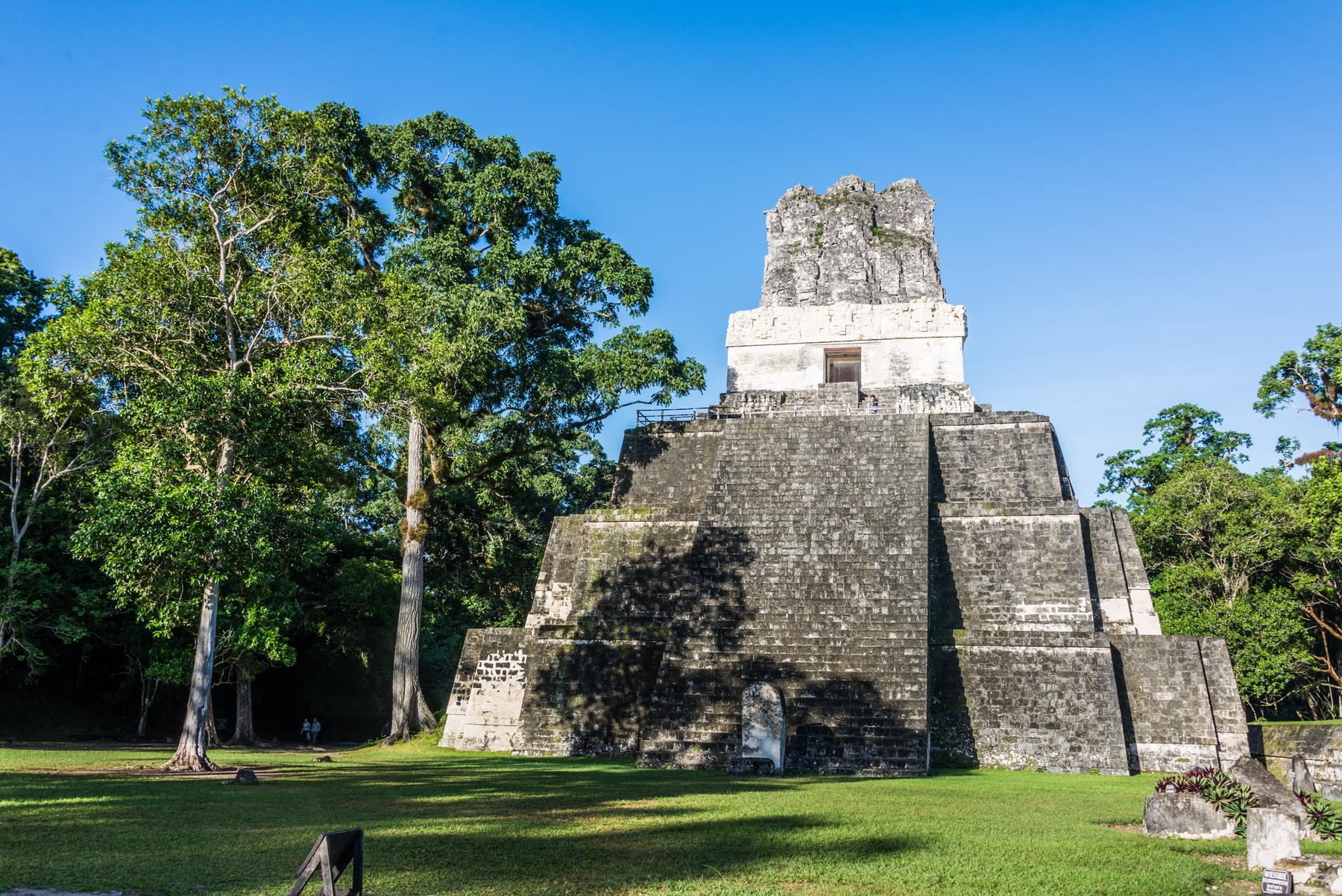
The history of Palenque
The age of Palenque is uncertain, but it’s believed that it was founded around 200 BCE and abandoned around 800 CE. For the next thousand years or so, it was uninhabited and taken over by rainforest. The Spanish had a brief look in the 1740s, and an American archaeologist visited in the 1830s. It wasn’t until 1950 when the discovery of an ancient crypt got people excited about the area.
As it stands, there are more than 200 architectural structures—including homes, pyramids, and a palace—but it’s believed that 90% of the ancient city is yet to be uncovered.
Parts of the ancient city you won’t want to miss
The Temple of Inscriptions is famous in archaeology circles because of the breakthrough in understanding ancient texts that came from the discovery.
Elsewhere, the palace, Temple of Skulls, and the pyramids in the Group of Crosses may be more rewarding for everyday travelers.
Timbuktu, Mali
Timbuktu is a name we all know, but few of us could point to it on a map. If you want to see something a bit different, the ancient city in Mali is well worth a visit.

The history of Timbuktu
Unlike Angkor Wat and Palenque, Timbuktu is one of the world’s oldest cities that is still inhabited—in fact, it’s still home to tens of thousands of people. At its peak around the 14th century, Timbuktu enjoyed a couple of centuries of worldwide fame as a center of trading and learning.
From the 15th century, it began to lose its power as its enviable position on the Niger River—which gave it access to much of west and north Africa—was less important as Portuguese ships began trading with coastal cities. As its influence diminished, Timbuktu was regularly attacked by neighboring countries, although many of its key buildings remain standing.
Parts of the ancient city you won’t want to miss
Many of the mosques and learning centers built of pounded earth in the 14th century still exist, such as the Djingareyber, Sankore, and Sidi Yahia mosques and, most famously, the ancient university.
Petra, Jordan
Petra, found in Jordan’s Arabian Desert, is a breathtaking ancient city famed for monumental structures carved directly onto the rockface. Nicknamed the “Rose City” because of its pastel hue, this is a must-visit destination for anyone with a penchant for historic cities and photography.

The history of Petra
The area around Petra has been home to humans for thousands of years. It’s estimated that early inhabitants lived in the region from around 7000 BCE. The Petra that we know and love was built closer to the common era, however. Archaeological estimates date the beginnings of the site to 400-200 BCE.
Petra flourished as a major hub on a popular trade route. It enjoyed a few centuries of independence and wealth before the Romans invaded in 106 CE. From there, the historical city declined, hastened by a major earthquake in 363 before it virtually disappeared from maps. It was rediscovered in 1812 and has since been considered one of the Seven Wonders of the World, as well as a UNESCO World Heritage Site.
Parts of the ancient city you won’t want to miss
The poster child of Petra is the Treasury, believed to be a tomb for an ancient king. This is one of the best-preserved and grandest buildings in the city.
However, the Siq valley and street of facades show the natural wonder and everyday living of the historic city. Other buildings, like the Royal Tombs, show that the Treasury wasn’t a one-off.
Because of the rich color of the stone and sand in Petra, seeing one of the world’s oldest cities at sunrise or sunset gives a whole new perspective on the area.
Machu Picchu, Peru
Machu Picchu, often dubbed one of the wonders of the modern world, is on many travelers’ bucket lists—and with good reason. Sitting nearly 8000 feet above sea level, this ancient city has views that few other places in the world can match.

The history of Machu Picchu
Machu Picchu existed as an inhabited city for just a century. It was built around 1450 as an estate for an emperor but was abandoned during the Spanish invasion. Nowadays, the only inhabitants are hardy llamas that photobomb tourist photos.
The Spanish didn’t pay much heed to this ancient city, which means Machu Picchu wasn’t plundered and destroyed like many other settlements. It wasn’t until 1911 that Machu Picchu became known in international circles.
Today, the most common way to get to Machu Picchu is through a multi-day trek, although other options like bus or train are available for travelers who are crunched for time.
Parts of the ancient city you won’t want to miss
Although there are remains of everyday living such as the agricultural terraces, the highlights of Machu Picchu are commonly agreed to be these three: Inihuatana, the Romm of the Three Windows, and the Temple of the Sun.
Some of these ancient cities have gone decades without a tourist paying a visit of appreciation. We have faith that they’ll be just as stunning as always when it’s time for travelers to venture out again. Borders may close, but travel dreams are always open.
Common questions travelers have about the world’s oldest cities
The longest continually inhabited city in the world is thought to be Jericho in Palestine. It is estimated to have been founded 9,000 to 11,000 years ago.
The oldest city in the USA is Saint Augustine, Florida, which was founded in 1565. The runner-ups include Santa Fe in New Mexico, Jamestown in Virginia, and Plymouth in Massachusetts.
The oldest known man-made structure in the world is the Brewarrina Aboriginal Fish Traps (Baiame’s Ngunnhu) in New South Wales. These are estimated to be more than 40,000 years old.